|
|
| |
|
Welcome to the Vitamin B12 Patch blog! Find information on topics related to vitamin B12. This blog is dedicated to providing up to date research, news and resources pertaining to vitamin B12 supplements, symptoms of vitamin B12 deficiency and general health information surrounding the benefits of vitamin B12. Learn from, and contribute to information on B12, conditions caused by vitamin B12 deficiency and other connected subjects. This blog also provides B12 Patch product information and discusses some of the science behind the transdermal absorption method. Feel free to participate in blog discussions and contribute your opinion on the related topics covered in the Vitamin B12 Patch blog.
|
| |
March 11th, 2010
Researchers at Ben-Gurion University in Beer-Sheva, Israel, have found a strong correlation between canker sores and B12. This research was published in the Journal of the American Board of Family Medicine (January/February, 2009).
Canker sores, also known as Recurrent Aphthous Stomatitis (RAS), affects about 25% of the population. These lesions of the mouth are small, painful ulcers that heal within two weeks. They often recur.
Triggers in a person’s environment may lead to RAS. These triggers include trauma, irritants, dryness, infections, hypersensitivity, toxic agents and autoimmune conditions. In addition, a nutritional deficiency may also be the cause. People who are low in iron, vitamin C, B12 or folic acid may suffer from RAS.
Obviously, not all triggers can be prevented, and some people are more prone to this than others.
This study involved 58 patients who suffered from RAS. Some were given a dose of B12 daily, and others were given a placebo. By the end of the study, 74% of those given the B12 treatment no longer suffered from recurring RAS, also known as canker sores.
In conclusion, those suffering from RAS would benefit greatly from B12 supplementation.
Tags: b12, B12 and canker sores, RAS, Recurrent Aphthous Stomatitis Posted in Vitamin B12 | No Comments »
March 8th, 2010
Vitamin B12 is linked to brain size, and therefore B12 may help prevent dementia by maintaining brain volume, according to a study published in Neurology (September 9, 2008).
The study focused on 107 volunteers whose average age was 73 years, ranging from 61 to 87 years old. All participants were required to undergo a physical examination, brain MRI and CT scans. Only people in good physical and mental health were included in this study.
For this study, blood samples were also taken of the volunteers. Tests were done to measure B12 plasma levels, in addition to levels of homocysteine, folate and methylmalonic acid (MMA). These measurements were taken once a year over the duration of five years.
For all the volunteers, the B12 levels fell within the range of normal.
At the end of the five-year period, the volunteers were again subject to brain scans and memory tests. Subjects who had the most brain loss also had lower concentrations of B12. No correlation was made between brain loss and levels of homocysteine, folate or MMA.
The results of this study demonstrated that those people with lower B12 levels were six times more likely to have a loss of brain volume and a decrease in brain size than those with higher levels. Therefore, the authors of this study have concluded that by increasing the consumption of of B12 among the elderly can reverse brain shrinkage, and possibly prevent memory loss as well. It is hoped that future clinical trials will determine the affects of B12 supplementation on brain shrinkage.
In the meantime, the authors of this study would advise the geriatric population to increase their intake of B12 through meat, fish, milk and fortified cereals.
Tags: B12 and brain shrinkage, B12 and Brain Size, B12 and brain volume loss, Vitamin B12 and dementia Posted in Vitamin B12 | No Comments »
January 14th, 2010
It is hard to get kids to eat right. It is the most important thing that they can do for their bodies and the most difficult thing for a parent to get them to do. Vitamin B12 plays a vital role in a child’s development, not just for a healthy body but for a healthy mind as well. Vitamin B12 is directly linked to a healthy nervous system and brain function. It is also responsible for the production of red blood cells. Vitamin B12 is also indicated in healthy heart function. A diet rich in Vitamin B12 can be snuck in without them ever even knowing it.
Vitamin B12 Naturally Found in Foods
Animal products are the only way to get natural Vitamin B12. Vitamin B12 is synthesized naturally by bacteria found in the stomach of all animals, plants can not synthesize Vitamin B12, so although it is important to eat vegetables, animal products should also be present.
There are fun natural foods that contain Vitamin B12. Ice cream is a great example of natural foods containing Vitamin B12. Ice cream is made from milk and cream which comes from cows which are animals that produce this key Vitamin. A dose of ice cream once a week will keep that Vitamin b12 up to par. Milk, chocolate milk, real milk chocolate all sound options for sneaking in the Vitamin B12, of course everything should be tempered with common sense, obviously eating milk chocolate and drinking chocolate milk at every meal is not healthy.
Cheeseburgers, high in Vitamin B12, any kind of meat really will deliver a good pat of the RDA (recommended daily allowance) of Vitamin B12.
Vitamin B12 Fortified Foods and Supplements
Breakfast cereal is usually fortified with Vitamin B12, and not just the stuff kids do not want to eat but the stuff the kids beg for at the grocery store. Almost all breakfast cereal is fortified with Vitamin B12. Look for low sugar options. Breakfast cereals are fortified with Vitamin B12 for kids.
There is also vitamin waters that are fortified with Vitamin B12 that the kids may like, the Vitamin B12 content is only around ten percent of the RDA but if all else fails it is better than nothing.
Most daily supplements that are made for kids usually will contain one hundred percent of the RDA for Vitamin B12. There is some question as to how effective these supplements are and whether they are absorbed correctly or not. The best option for a Vitamin B12 supplement would be drops as opposed to the popular gummie vitamins or chewable.
Vitamin B12 can be found in a host of food sources and it is the best possible way to absorb the vitamin, if the child just will not eat the foods that are rich in Vitamin B12, then supplements will be the only choice. This key component to a healthy body and mind should be offered in any form that will be accepted. If a Vitamin B12 deficiency is suspected a simple blood test at the doctors office can determine if there are proper levels present.
Posted in Vitamin B12 | No Comments »
January 11th, 2010
Vitamin B12 deficiency can turn into a debilitating disease with ongoing repercussions, nothing is as simply prevented as largely ignored. Vitamin B12 deficiency often initially presents itself as fatigue, in today’s busy world it is often chalked up to lifestyle and ignored, over time the results can be devastating and irreversible.
Neurological Implications of Vitamin B12 Deficiency
With the initial onset of Vitamin B12 deficiency the neurological implications may not be immediately obvious. The symptoms are usually dismissed as being stress related. The initial neurological implications can be very mild, a change in mood, some occasional forgetfulness an increase in irritability - all symptoms that can also be attributed to stress and other lifestyle issues. Over time the symptoms may increase to include depression, memory loss, dementia and psychosis.
The treatment for the Vitamin B12 deficiency is Vitamin B12 shots that will cure the underlying deficiency but may not help to regain the mental faculties that were lost during the deficiency period.
There are some implications that prolonged Vitamin B12 deficiency can result in permanent damage to the nervous system and permanently effect brain function.
Alzheimer’s disease
Alzheimer’s disease is a debilitating disease that effects many millions of people around the country. Primarily Alzheimer’s is thought of a disease that effect older folks, but in cases of early onset it can affect people as young as thirty five. Little is known about this debilitating disease other than the damage that is causes to the brain and the lives that it destroys.
There is no sue reason as to why Alzheimer’s sets in or what the cause is. There are several theories, one of which seems to correlate a relationship between Vitamin B12 deficiency and the onset of Alzheimer’s disease. The testing and research is still in the early stages but it is hypothesized that a prolonged Vitamin B12 deficiency can contribute to the onset of Alzheimer’s disease with the most radical theory hypothesizing that Alzheimer’s disease is actually caused by Vitamin B12 deficiency.
There seems to be a strong correlation between those that have been determined to have suffered from Vitamin B12 deficiency and a high rate of the incidence of Alzheimer’s disease.
There have been cases where a patient was diagnosed with the early stages of Alzheimer’s when in fact it was a Vitamin B12 deficiency.
Vitamin B12 deficiency causes nerve damage over time and some of those nerves that are damaged are located in the brain, the damage is irreversible and likely cannot be corrected. There are scientists that have set out to prove that the relationship between Vitamin B12 deficiency and Alzheimer’s disease is beyond coincidence and is actually a causal relationship.
Posted in Vitamin B12 | No Comments »
January 7th, 2010
Vitamin B12 deficiency goes largely undetected, by the time dementia has set in due to the Vitamin B12 deficiency the condition has been prolonged and present for some time.
What is Dementia?
Dementia is a condition that is usually secondary to an underlying condition. It is the result of many diseases. Dementia makes a person act in a disorientated manner, looks similar to amnesia with the person unable to remember the simplest of things, like their address or how to put pants on. It is a very scary condition to witness. Dementia can be the result of some very complex diseases that effect the body and the treatments for the diseases, sometimes it is reversible and winds up as a short episode, sometimes it is not and it becomes a permanent condition. The connection to Vitamin B12 deficiency and dementia is still not very well understood, but studies indicate there is a strong relationship between Vitamin B12 deficiency and dementia.
Preventable Illness
Vitamin B12 deficiency when associated with dementia is one of the most preventable forms of dementia, catching the condition in time is a key before permanent damage takes hold.
Vitamin B12 is key to keeping the nervous system healthy and keeping the brain functioning at optimum performance. Vitamin B12 deficiency can result in a host of issues, many of which are neurologically based. There is a link between Vitamin B12 deficiency and depression, memory loss, personality changes, increase in irritability, dementia and psychosis. These are pretty serious conditions and goes far beyond what the medical community thought were the results of a Vitamin B12 deficiency. For years the medical community thought that the only problems that would manifest itself from a Vitamin B12 deficiency were anemia and fatigue.
The theory is that the components of Vitamin B12 feed the nervous system, without the proper amount present the dendrites that are used to send messages to the brain from the body begin to die and lose functions; production of these dendrites is reduced because the nourishment in the Vitamin B12 is missing when there is a deficiency. The results can be catastrophic. The brain starts to change how it does business; it conserves its energy for the survival things like breathing and keeping the heart beating. So other day to day brain functions start to lose some control, like memory functions, recognition and speech, but it happens in increments so that it is barely noticed. Over time more and more function is lost, resulting in dementia.
Neurological illness that is brought on by Vitamin B12 deficiency is completely preventable, but not completely curable once it has occurred.
How to Prevent Dementia Brought On By Vitamin B12 Deficiency
The simplest path to prevention is a diet rich in Vitamin B12 foods, if dietary restrictions make it difficult to consume the Vitamin B12 foods than supplements may be the only way to be sure that there is enough Vitamin B12 in the diet.
Periodic screenings after the age of sixty is also a good idea and will go a long way in prevention.
Posted in Vitamin B12 | No Comments »
January 4th, 2010
To answer this question a little back ground is in order. A healthy adult with a well balanced diet never has to worry about Vitamin B12 deficiency. Vitamin B12 is found in all animal based food products, meats, dairy, eggs, fish, cheese and any other product that comes from animals. So in absence of illness that would prevent the absorption of Vitamin B12, deficiency is unlikely.
Vegetarians
Of all the represented groups that do not have a disease, vegetarians run the greatest risk of suffering from Vitamin B12 deficiency. The onset is typically about two years after the person becomes a vegetarian. Some vegetarians never realize the health implications of abstaining from animal products. There are important nutrients that the body cannot function without found in animal products. Supplementing the diet with Vitamin B12 supplements will prevent the Vitamin B12 deficiency. In some cases the vegetarian is faced with a twofold problem, a low ability to absorb Vitamin B12 that was preexisting and the lack of animal products in the diet, which supplies no Vitamin B12 at all. The vegetarian that suffers two fold will very likely face a Vitamin B12 Deficiency.
The onset of the illness will occur in about two years from the time the decision is made to abstain from animal products, a smart medical professional will do a brief history and once it is determined that the sick person is a vegetarian a simple blood test will be taken to determine the Vitamin B12 levels. In some instances the vegetarian will be misdiagnosed because of a too brief background investigation. Treatments will probably include Vitamin B12 shots to regulate the levels. The shots will be given every other day for around two weeks than on a monthly basis.
Disease and Medication
There are a couple of diseases that are linked to the inability to absorb Vitamin B12. Pernicious Anemia is one of those diseases. Pernicious Anemia destroys the cells in the stomach that absorb Vitamin B12, in the case of Pernicious Anemia the Vitamin B12 deficiency is immediate, the treatment is Vitamin B12 shots in high doses which sometimes help and sometimes does not help, the theory is that if the Vitamin B12 is present at very high levels at least some of it will be absorbed. Some folks have very high levels of homocysteine an amino acid (although not actually a disease) that also prevents the absorption of Vitamin B12.
There are some medications that are used for the treatment of heartburn and ulcers that also may cause trouble with the absorption of Vitamin B12 resulting in Vitamin B12 deficiency, typically the onset of the Vitamin B12 deficiency will occur within about twelve months of starting the medication. The medication slowly erodes the body’s ability to absorb Vitamin B12.
Vitamin B12 deficiency usually goes undetected for a great deal of time, many people are misdiagnosed with other diseases, because it is rather rare unless the previous situations listed exist. It is very difficult to pinpoint exactly how long it takes to become deficient in Vitamin B12. There is usually no baseline information to compare the results to, so it is purely guess work.
Posted in Vitamin B12 | No Comments »
December 31st, 2009
Vitamin B12 is a very important complex vitamin that the body uses in the manufacturing of red blood cells. It is also important for other bodily processes. Vitamin B12 is attributed to having a key role in the normal functioning of the brain and nervous system. It is vital that Vitamin B12 is absorbed correctly by the body.
There are only a couple of ways to get vitamin B12. The first way is through food sources, where it is naturally found in animal products. The second way is through supplements. Food sources is the best way to feed the body vitamin B12, because the body recognizes food sources and breaks down the food effectively pulling out the nutrients and processing them and discarding the waste. Not everyone can eat the natural food sources of Vitamin B12, some people choose to avoid animal products and for them, there are foods that are fortified with Vitamin B12.
Sources of Vitamin B12
Food sources that contain vitamin B12 are all animal products, plants do not have the necessary bacteria to synthesize vitamin B12, animals do. There is a complex process which breaks down and synthesizes acids, cobalt and corrin ring molecules into Vitamin B12. Vitamin B12 is the most chemically complex of all the vitamins. The synthesis which occurs naturally in animals and the resulting Vitamin B12 in their products is mimicked in laboratories to produce supplements through a fermentation process, using the microbes that are naturally found in the stomach linings of most animals.
Animal products that contain Vitamin B12 include, meats, eggs, cheeses, milk and any products containing the aforementioned. This may be problematic for vegans, or folks that have dietary restrictions that prevent the consumption of the foods containing Vitamin B12. If a person cannot consume the proper foods for whatever reason, they can turn to supplements to insure a proper level of Vitamin B12.
Supplements are offered in a variety of delivery methods, ranging from a simple pill to an injection. There is some debate as to the effectiveness of Vitamin B12 that is delivered orally by pill; there is some concern that it is not being absorbed as it should. There are other methods of delivery that are much better received by the body. Sublingual drops placed under the tongue are thought to be a much more effective delivery method. The injections are the best artificial delivery method for Vitamin B12.
Other Options
There are other options to receive sufficient Vitamin B12. Some foods have been enhanced with Vitamin B12, none animal product type foods are often enhanced with Vitamin B12. Some of the only non animal food products that are fortified with Vitamin B12 are breakfast cereals. There are vitamin water drinks but they only contain about ten percent of the RDA (recommended daily allowances). Some fiber powders that are sprinkled on foods are fortified with Vitamin B12. There are drinks that are also fortified with Vitamin B12, mainly they are energy drinks that unfortunately also contain caffeine in high doses and a few other chemicals that are not good for the body. The choice for vegetarians and lacto intolerant folks is very limited when it comes to foods that are fortified with Vitamin B12.
Posted in Vitamin B12 | No Comments »
December 28th, 2009
The benefits of Vitamin B 12 have been long known. During the nineteen sixties and seventies Vitamin B 12 shots were frequently offered at the family Doctor’s office to assist with a list of ailments, it was a very common practice than during the nineteen eighties and nineties it was kind of shelved as other products were more prevalently offered to treat ailments. Vitamin B12 is a complex combination of necessary nutrients that sustains metabolism and assists in the production of red blood cells, a Vitamin B12 deficiency is often misdiagnosed as a slew of illnesses. A simple blood test can determine if there is a Vitamin B12 deficiency but it is often overlooked. There are primarily two ways to insure that the Vitamin B12 levels are sufficient. The first way is the simplest, through a well rounded diet; the second way is through supplements.
Delivery Methods of Vitamin B12
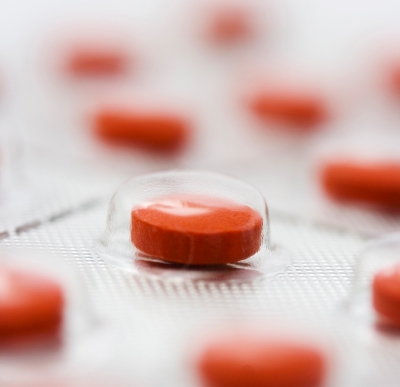
There are quite a few delivery methods of Vitamin B12. Vitamin B12 can be delivered via, tablets, capsules, sublingual drops, patches and shots. The most common form of delivery is through tablets, capsules and pills. It is the simplest and most common way for folks to take a Vitamin B 12 supplement. Oddly enough it is the least effective way of taking Vitamin B 12. The body usually does not recognize the pill as nutrients and it passes through the system without much absorption taking place. There are some Vitamin B12 tablets that are manufactured from crushed food particles, studies show that the crushed food particle tablets are absorbed better than the traditional tablets.
Vitamin B12 sublingual drops are one of the most effective delivery methods of Vitamin B 12. The drops are placed under the tongue and quickly absorbed into the blood stream by the many arteries that are located under the tongue. The most effective artificial delivery method of Vitamin B 12 is the Vitamin B 12 shots. All of these methods will deliver supplemental Vitamin B 12 to the body, but they are all artificial methods of delivering Vitamin B 12. Most people will get all the Vitamin B 12 they need from the food they eat as long as they eat it in appropriate quantities.
List Of Foods
Vitamin B 12 is generally found in foods that are derived from animal products, it is not generally found in vegetation. The following is a brief list of food that naturally contain Vitamin B 12:
1 Beef Liver
2 Beef Steak
3 Ground Beef
4 Trout
5 Salmon
6 Haddock
7 Tuna
8 Ham and Other Pork Products
9 Chicken
10 Cheeses
11 Eggs
12 Whole Milk
As part of a well rounded diet Vitamin B 12 can be easily absorbed and processed by the body. The body easily recognizes the nutrients when they come from food. Diets that are high in low fat animal products will supply the body with an ample amount of Vitamin B12 and in absence of a medical condition should be a sufficient supply according to the Recommended Daily Allowances according to published reports by the US Department of Agriculture.
Posted in Vitamin B12 | No Comments »
December 24th, 2009
Vitamin B12 is a key component of several body functions. Vitamin B12 plays a key role in the manufacturing of red blood cells, keeps the nervous system working correctly and is key in brain functions.
Symptoms of Vitamin B12 Deficiency
The symptoms of Vitamin B12 deficiency ranges from virtually unnoticeable to dementia. Obviously the variable is the extent of time that the deficiency has been present. Normally a person will begin by feeling a bit run down. The first visit to the doctor normally results in being misdiagnosed. Maybe anemia will be diagnosed. Maybe nothing will be diagnosed, unless a blood test is specifically run to determine if the proper levels of Vitamin B12 is apparent than the factor will remain unknown, and usually this is not a common part of a blood panel work up, it has to be requested by the health care provider specifically.
As time passes and the condition is not treated, the symptoms will become much more complex. The complexity of the symptoms will also range from headaches to light headedness to forget fullness and the energy level will be way down. There can be some lasting damage is the condition is not caught and treated by this stage.
Host of Increased Health Problems
The risks of Vitamin B12 deficiency range from Vitamin B12 deficiency based anemia to stroke. The risks include neuropsychiatry disorders. Depression can sometimes be attributed to Vitamin B12 deficiency as can memory loss, dementia and at its worse psychosis. With these neurological disorders simply increasing the dosage of Vitamin B12 to cure the deficiency does not necessarily cure the disorders, because the nervous system, by the time these symptoms present themselves may have been permanently damaged. The incidence of neurological illness is prevalent in the older members of society primarily effecting those sixty two years and older when the body’s natural ability to absorb Vitamin B12 is already naturally declining. Many of whom are misdiagnosed over and over upon the initial consult, complaining of fatigue it is attributed to old age.
Cardiovascular risk factors also increase in cases of prolonged Vitamin B12 deficiency. The increase of myocardial infarction and stroke increase dramatically when there is a prolonged Vitamin B12 deficiency. This heart damage may also be irreversible. Stroke is also increased as a result of prolonged deficiency.
There are also some connections between Vitamin B12 deficiency and Alzheimer’s disease. The research is still in its earliest phases and no conclusions have been made yet, but it is hypothesized with strong anecdotal evidence to support the theory that Vitamin B12 deficiency may play a strong role in the onset of Alzheimer’s disease. The theory is that Vitamin B12 deficiency when prolonged damages the dendrites in the brain and causes sections of the nervous system to die out, resulting in an increased risk of memory loss and dementia.
The risks of Vitamin B12 deficiency are evident and very preventable, a balanced diet and periodic screens can offset any potential problems.
Posted in Vitamin B12 | No Comments »
December 22nd, 2009
Vitamin B12 is an important complex vitamin that is needed for an array of proper body functions.
Normally Vitamin B12 can reach sufficient levels in the body through diet. There are some cases where enough Vitamin B12 is not being received. In the case where there may be dietary restrictions that will prevent enough of the Vitamin B12 animal products to be consumed, or if there is medication that is being taken that may interfere with the absorption of Vitamin B12 supplements may be the answer.
Oral Supplements
Oral supplements are usually sold over the counter and do not require a prescription although there are prescription strength Vitamin B12 oral supplements available.
There are a couple of oral delivery methods for Vitamin B12 supplements. The most popular is the simple pill form because it is the easiest way to take the Vitamin B12 supplements, however this may be the least effective way for the Vitamin B12 to be absorbed.
There are more efficiently absorbed methods of taking an oral Vitamin B12 supplement. The sublingual method is very effective. The sublingual method is when the supplement is placed under the tongue. This oral form of the supplement can be in drops or melt away tablets. The drops are easier to use than the melt away tablets. Some people complain about the feeling of the melt away tablets held under the tongue, the drops sometimes give off a sensation of heat, that also leaves some users complaining. The sublingual option might be a tad bit uncomfortable for some folks but it is the best delivery option for the oral supplements.
Patches and Shots
In severe cases of pernicious Anemia a constant supply of Vitamin B12 may be warranted, or even in cases where the deficiency is major a patch may be prescribed. Patches are short for dermal delivery patches. The patch will have liquid Vitamin B12 supplements that are slow released over time; the idea is that the Vitamin B12 will seep into the skin where the capillaries and veins can absorb it immediately. The patches are usually kept on for a twenty four to forty eight hour period than they are discarded a new patch is applied.
Typically depending on the severity of the deficiency the patches will be worn for approximately two weeks than for around one or two days out of the months to follow. In cases of pernicious anemia where the body just cannot absorb the Vitamin B12 the patches may have to be worn everyday throughout the course of one’s lifetime.
Shots, no one likes to get shots, but in some cases it will be the best option for getting the Vitamin B12 supplementation. Usually the shots are given in a rotational schedule, two weeks on than a break for a few weeks than again for two weeks. Usually the shots are given every other day during the two weeks. This rotation will continue until blood work shows that the Vitamin B12 levels are within range of normal.
Types of Vitamin B12 supplements can be found in many delivery methods to fit any needs.
Posted in Vitamin B12 | No Comments »
|
|
|
|